



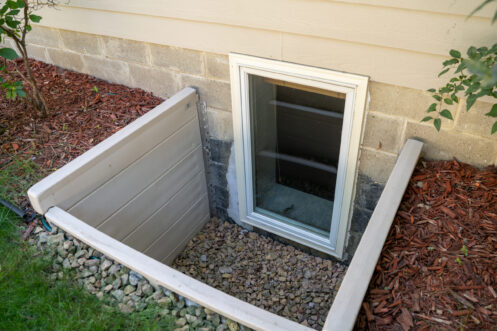
Early spring often brings melting snow, saturated soil, and that familiar muddy stretch between winter and summer. During this transition, basements tend to feel damp and cool and smell slightly musty. At Dog House, in Brunswick, ME, we help homeowners adjust their HVAC and ventilation systems to handle shifting moisture levels before they turn into comfort or air quality problems.
How Spring Thaw Changes Basement Conditions
As snow melts and rainfall increases, the soil around your foundation becomes saturated. That moisture does not always enter as visible water. Instead, it raises the humidity level in the surrounding ground, which can transfer through concrete walls and floors. Even when there is no standing water, you may notice a damp smell or a cooler, heavier feeling in the basement air.
Concrete is porous. It can absorb moisture from the surrounding soil and release it slowly into the basement. During mud season, the ground remains wet for extended periods, which keeps the surrounding foundation damp. This steady exposure can increase indoor humidity without obvious leaks. You might not see water on the floor, yet you feel the difference in the air.
Why Basements Hold Moisture Longer Than Upper Floors
Basements sit below grade, which means they are surrounded by earth rather than open air. That location limits natural air exchange. When outdoor air warms during the day, it does not circulate through basement spaces the way it does upstairs. The result is air that remains cool and humid long after outdoor conditions improve.
Cooler air can hold less moisture than warm air. When warm spring air enters a cool basement, condensation can form on surfaces such as pipes, ductwork, or concrete walls. This cycle can repeat daily during early spring. Without proper airflow and humidity control, that moisture lingers and creates a musty environment.
Ventilation Strategies for Early Spring
Opening basement windows during mild days may seem helpful, yet outside air can carry its own humidity. If outdoor humidity is high, bringing that air inside can raise moisture levels even more. Ventilation works best when paired with monitoring. Checking indoor humidity levels helps you decide when fresh air will improve conditions and when it may add moisture.
Mechanical ventilation systems offer more control. An energy recovery ventilator or heat recovery ventilator can introduce filtered air while managing temperature differences. These systems help balance indoor and outdoor air without relying on open windows. When integrated with your HVAC setup, they can improve airflow and reduce stale conditions in basement areas.
The Role of Dehumidification During Mud Season
Dehumidifiers are often helpful in basements during early spring. They remove excess moisture from the air and collect it for drainage. Standalone units work well in smaller areas, while whole-home systems connect to existing ductwork for broader coverage.
Humidity control protects more than comfort. Elevated moisture can affect stored belongings, wood framing, and even insulation. When humidity levels remain within a moderate range, surfaces feel drier, and air seems lighter. Monitoring humidity with a simple gauge gives you a clearer picture of how conditions change as spring progresses.
Monitoring and Adjusting as Conditions Shift
Early spring conditions change quickly. A dry week may follow a period of heavy rain. Indoor humidity levels can rise and fall with those shifts. Regularly checking basement air conditions allows you to respond before moisture builds up.
Simple adjustments, such as increasing airflow, running a dehumidifier, or scheduling HVAC maintenance, can keep basement conditions stable. Maintenance tasks such as cleaning coils, checking drainage lines, and verifying proper airflow help your system handle fluctuating moisture. Addressing these details before summer heat arrives keeps your HVAC system ready for the next seasonal change.
Taking Control of Basement Air This Spring
Mud season does not have to mean musty air and lingering dampness. By adjusting ventilation, monitoring humidity, and making sure your HVAC system distributes air evenly, you can keep your basement comfortable through the thaw. Services such as HVAC tune-ups, duct inspections, whole-home dehumidifier installation, and ventilation upgrades support healthier indoor conditions. Schedule your early spring HVAC evaluation with Dog House and take control of basement moisture before it becomes a larger issue.