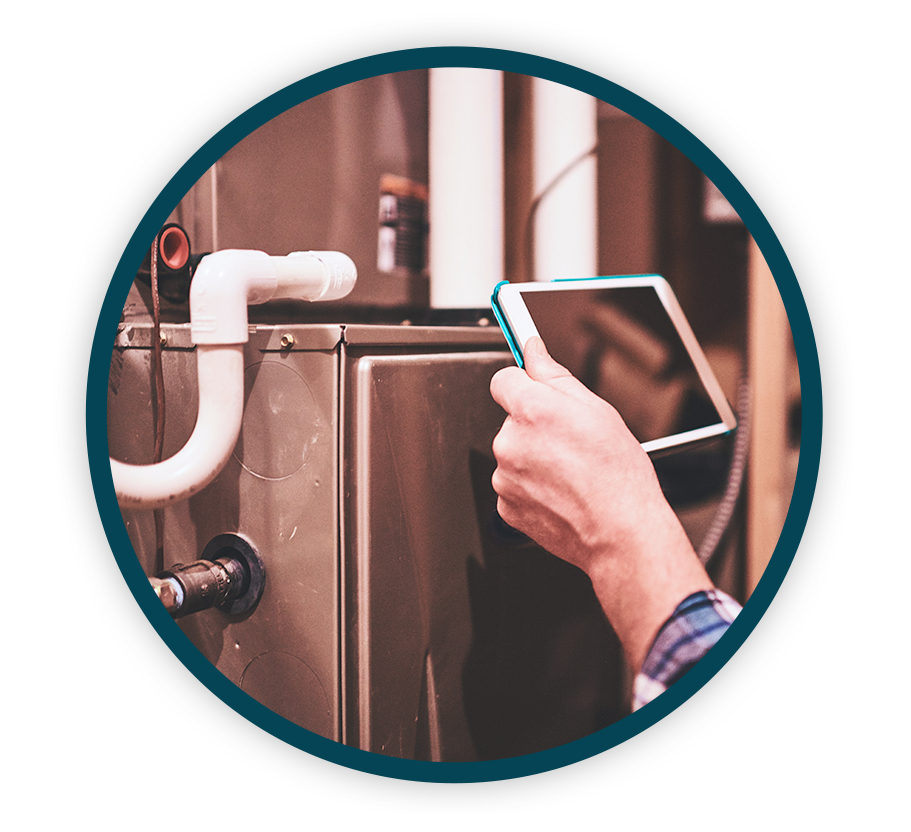
Heat Pump Installation Overview
Installing a new heat pump involves careful planning, assessing your home, and selecting the right system for your needs. Proper sizing ensures that your heat pump is suitable for your home’s layout and insulation level. Oversized models may finish their cycles too quickly. That sounds good, but it can lead to uneven heating/cooling, along with poorly-regulated humidity. Undersized systems may run forever without your home ever hitting the set temperature. Either way, incorrect sizing can increase the wear and tear on your system and make it break down prematurely.
Heat pumps tend to last longer than furnaces. The average lifespan of an air-source model is between 12 and 15 years. Geothermal heat pumps typically last 20 to 25 years with proper maintenance.
Here are a few key reasons for a new installation:
- Short cycling
- Unreliable heating or cooling
- Strange noises
- Recurring malfunctions
Benefits of Installing Heat Pumps
A properly sized heat pump can deliver efficient heating and cooling even during peak seasons. Air-source systems tend to be more common than geothermal models. This is generally because there are fewer initial costs up front, since you don’t have to dig trenches for refrigerant lines.
Some systems incorporate variable-speed technology. This allows the system to circulate heated or cooled air at different rates. That way, your system moderates how much it works and can save energy by making smaller changes.
Heat pumps can also help regulate your indoor humidity. With cycles of the proper length, heat pumps remove excess humidity from your indoor air. That can help prevent mold growth and other issues associated with overly humid indoor air.
Heat pumps offer many benefits:
- Stable indoor temperatures
- Safe operation
- Lower household carbon emissions
- Reliable year-round performance
Ducted and Ductless Systems
If your home has ductwork, you may be better off with a ducted heat pump system. It will respond to the central thermostat and push conditioned air through the ducts to make every room comfortable. Ensuring your ductwork is in good condition is essential to prevent heat loss and energy waste.
Without ductwork, you can still turn your home into a haven of comfort by installing a ductless heat pump. It’s ideal for smaller spaces or specific rooms that need independent temperature control. This system is more flexible than a ducted model because it uses multiple indoor units. All the units connect to the outdoor compressor. However, they work independently to maintain your desired temperature in different rooms. The indoor air handlers are convenient to use because they respond to a wireless remote control. Correct placement on the wall or the ceiling is key to optimal performance.
Ductless systems are also ideal if you have a home addition. Instead of retrofitting current ductwork, which is a difficult endeavor, you can install one ductless unit. That unit can handle the new room’s climate while your system functions as normal throughout the rest of your home.